


We use cookies to give you the best digital experience. By continuing to browse this site, you give consent for cookies to be used. To learn more information about the use of cookies, please visit our cookie policy.
Today’s audiences scroll past ads without a second glance, making it harder than ever for brands to stand out. Feeling invisible? Don’t worry! The secret lies in influencer marketing. In this guide, we’ll break down the basics of building an impactful influencer marketing strategy, from finding the right creators to crafting authentic stories that spark real connections and results. Let’s get started!
1. What is Influencer Marketing?
Influencer marketing has become one of the most effective ways for brands to grow online. It combines the reach of social media with the trust of personal recommendations. By partnering with creators who have a loyal audience and real influence in their niche, brands can introduce products in a way that feels authentic. The results speak for themselves. On average, companies see about $6.50 in return for every $1 they invest.
Influencer marketing works by using the trust, connection, and relationships influencers have built with their followers. Brands collaborate with influencers to create content, such as videos, posts, or reviews, that subtly integrate their product or message to make customers feel memorable. This form of marketing acts as authentic social proof, encouraging consumers to engage or purchase based on the influencer’s genuine experience.
This type of marketing spans countless niches. These genres attract high engagement because they center on relatable experiences and visual storytelling. The most dominant categories include:
-
- Food & Beverage – Recipe videos, restaurant reviews, or taste-testing content.
-
- Beauty & Skincare – Tutorials, product reviews, and “get ready with me” videos.
-
- Lifestyle & Travel – Daily routines, home decor, or adventure vlogs.
-
- Fashion – Outfit inspiration, styling tips, and brand collaborations.
-
- Sports & Fitness – Training advice, product endorsements, and performance gear showcases.
1.1 Types of Influencers
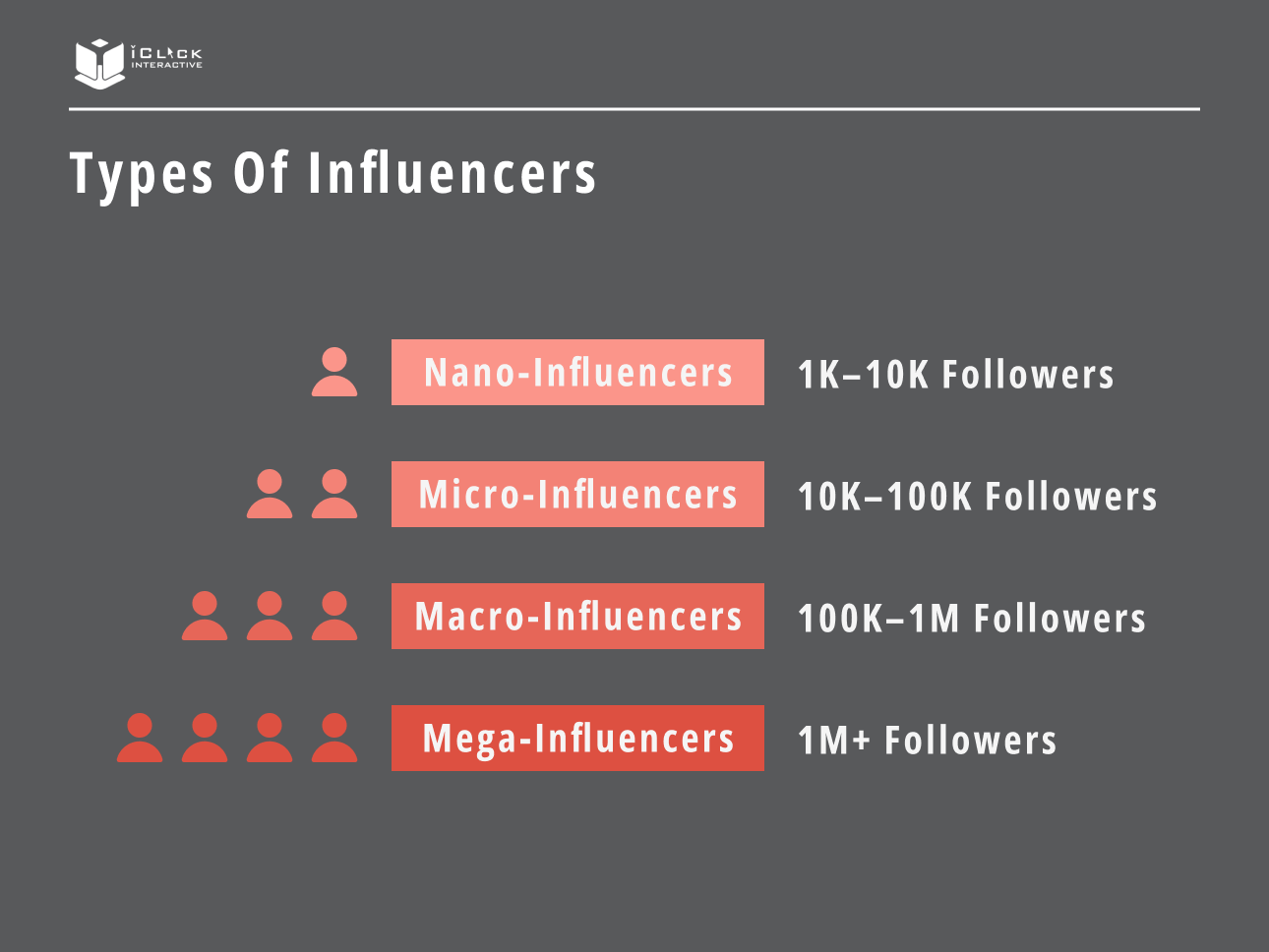
Influencers come in different tiers depending on their audience size, engagement level, and type of content they produce. Understanding each category helps brands choose the right partners for their influencer marketing strategy.
-
- Nano-Influencers (1K–10K followers): Nano-influencers are everyday users with small but highly loyal audiences. Their content feels genuine and personal, often centered around a tight niche like local food, small-business reviews, or hobbies. They have the highest engagement rates and are perfect for community-based campaigns on limited budgets.
-
- Micro-Influencers (10K–100K followers): Micro-influencers are niche experts—fitness coaches, tech reviewers, or skincare enthusiasts—who maintain close relationships with their followers. They strike the ideal balance between reach and authenticity, making them a favorite choice for brands seeking both credibility and targeted exposure.
-
- Macro-Influencers (100K–1M followers): Macro-influencers are established content creators or public figures who produce professional-quality content. They offer wide visibility and can quickly generate buzz for new product launches or awareness campaigns. However, engagement tends to be lower than smaller influencers due to broader audiences.
-
- Mega-Influencers (1M+ followers): Mega-influencers include celebrities, athletes, and internet personalities with global recognition. They deliver massive reach and brand prestige but at a premium cost. Engagement is typically lower, yet their star power makes them ideal for large-scale, high-visibility campaigns.
| Type | Follower Range | Average Pay per Post (USD) | Key Features | Best For |
| Nano-Influencers | 1K–10K | IG: $10–$150 / YT: $20–$200 | Highly trusted, personal, and community-focused. | Local or niche campaigns, small budgets. |
| Micro-Influencers | 10K–100K | IG: $150–$500 / YT: $200–$1,000 | Niche expertise, strong engagement, affordable reach. | Targeted campaigns need authenticity. |
| Macro-Influencers | 100K–1M | IG: $5K–$15K / YT: $10K–$25K | Professional content, wide reach, strong credibility. | Product launches or awareness drives. |
| Mega-Influencers | 1M+ | IG: $15K+ / YT: $20K+ | Celebrity status, global exposure, lower engagement. | Big-budget branding or global awareness. |

2. Why Use Influencer Marketing?
-
- Increased Brand Awareness: Influencer marketing dramatically boosts visibility, helping brands reach new and engaged audiences. When creators feature a product, their followers take notice, especially during product launches or seasonal campaigns. This approach is especially powerful for newer e-commerce brands that need quick exposure.
-
- Boosting Social Media Visibility: Influencer marketing expands a brand’s reach by leveraging creators’ loyal audiences and content expertise. Collaborations strengthen community engagement through authentic, platform-native posts. From viral short-form videos and UGC challenges to creative giveaways and relatable internal influencers, these campaigns generate buzz, drive long-term follower growth, and build genuine, lasting connections across social media platforms.
-
- Higher Conversions: Influencers also drive action. They help boost conversions by offering direct sales links, promo codes, and testimonials that feel genuine. For example, Xiaohongshu influencers drive high-intent action because the platform functions as a lifestyle search engine rather than just a social feed. Users go to the app specifically to research and evaluate products, leading to significantly higher conversion rates, averaging 21.4% for global brands, which is nearly triple the rate of other social platforms.
-
- Precise Targeting: Unlike traditional ads, influencer marketing allows brands to target specific audiences with precision. Because followers share similar interests with the influencer, your message naturally reaches people most likely to care. Influencers often specialize in clear niches, such as skincare, cars, tech, gaming, fitness, or home décor, helping brands reach highly relevant audiences.
-
- Educational and Fresh Content: Influencers serve as both educators and content creators. They help audiences understand how products work in everyday life without sounding overly promotional. At the same time, influencers generate high-quality, reusable content that brands can repurpose on websites, ads, or product pages. For example, fitness influencers may test gear or supplements during actual workouts, showing performance, comfort, or technique tips. The content feels authentic because it’s based on their real routines.
-
- Collecting Data and Feedback: Influencer marketing helps brands gain valuable audience insights and honest product feedback. Through influencers’ analytics, brands can access demographic data, engagement metrics, and conversion tracking to refine strategy. At the same time, influencers provide authentic, experience-based feedback that helps improve products, strengthen customer trust, and guide data-driven marketing decisions for future campaigns.
3. Types of Influencer Marketing
The format of influencer marketing refers to the types of content and collaboration methods brands use with influencers to promote products or services. Each format is designed to highlight the influencer’s authentic voice and platform expertise, helping brands connect with audiences more naturally and effectively. Here are the most common and effective influencer marketing formats used today:
3.1 Video Collaborations
Video continues to be the most persuasive format in influencer marketing because it shows products in action and builds trust through real reactions. Long-form content, such as unboxings, reviews, and tutorials, gives audiences a deep look at product features and honest opinions that influence buying decisions.
YouTube works well for these detailed reviews and storytelling-driven demonstrations. Short-form platforms like Douyin and Instagram Reels excel at quick, eye-catching clips that boost awareness, especially for fashion, beauty, and lifestyle brands aiming for viral reach.
3.2 User-Generated Content (UGC) Campaigns
UGC showcases authentic experiences from real customers, giving brands powerful social proof. These campaigns often encourage followers to share posts through hashtags, challenges, or contests, which builds community participation.
The best part is versatility: UGC can be reused across paid ads, websites, landing pages, and product detail pages to reinforce credibility and increase conversions. When audiences see real people enjoying a product, trust grows naturally.
3.3 Giveaways and Contests
Giveaways and contests are highly interactive campaigns that spark engagement and attract new followers quickly. Brands often partner with influencers to host prize-based promotions where participants follow the brand, share content, or tag friends to enter.
These campaigns are great at creating excitement and can also pair well with live streams or virtual events to boost urgency. When done well, giveaways help brands grow their audience while strengthening community bonds.
3.4 Gifting (Product Seeding)
Gifting, also called product seeding, is a collaboration format where brands send free products or services to influencers without monetary compensation. It’s a cost-effective approach, especially for small brands or early-stage partnerships.
When influencers genuinely like the product, gifting can lead to organic exposure and long-term collaboration opportunities. Many creators appreciate receiving products that fit their lifestyle and are open to sharing them publicly if they find real value.
3.5 Affiliate Marketing & Discount Code Promotions
Affiliate partnerships focus on performance and measurable ROI. Influencers share personalized discount codes or affiliate links, allowing brands to track sales and reward high-converting creators. Commission-based incentives motivate influencers to create compelling content that drives purchase decisions.
3.6 Event Coverage and Brand Activations
Influencer collaborations also extend to event coverage, where creators document brand experiences in real time. This may include in-person product launches, virtual conferences, store openings, or immersive activations.
Live streaming or behind-the-scenes content creates a sense of immediacy and excitement, encouraging audiences to engage both online and offline. When influencers bring their followers into the experience, the event’s impact becomes much broader.
4. How to Do Influencer Marketing Successfully
Developing a winning influencer marketing strategy requires careful planning, precise targeting, and continuous tracking to ensure maximum return on investment and genuine audience connection. Below is a step-by-step guide to help you build a structured, results-driven campaign.
[An infographic illustrates the steps for how to design a campaign for influencer marketing.]
4.1 Set Your Goals Clearly
Every great influencer marketing campaign starts with clear goals. You need to know exactly what you want to achieve and how you’ll measure it. Are you trying to raise brand awareness, increase followers, drive website traffic, or sell more products? Having a specific purpose helps you stay focused and choose the right influencers for the job.
A good rule of thumb is to follow the SMART framework: make your goals Specific, Measurable, Achievable, Relevant, and Time-bound. For example, instead of saying “I want more followers,” set a goal like “gain 5,000 new followers within two months.”
Once your goals of influencer marketing are set, decide how you’ll measure success. Maybe it’s through likes, shares, sales, or link clicks. Communicate these goals clearly with your influencers so they understand what matters most. When everyone is on the same page, your campaign has a much better chance of delivering meaningful, trackable results that align with your business objectives.
4.2 Set Your Ideal Budget
Money matters in influencer marketing, but you don’t need a massive budget to get results. The key is smart planning and flexibility.
First, understand that influencer campaigns can be surprisingly cost-effective. When setting your budget, don’t just think about influencer fees; include content creation, product samples, shipping, and any tools or agencies involved. Costs vary depending on follower size, platform, and content type. For example, nano-influencers might charge as little as USD10 to 150 per Instagram post, while top-tier influencers can charge thousands.
If you’re new to influencer marketing, start small and test what works before scaling up. You can even work with creators who accept free products as compensation. Also, decide early how you’ll pay, like flat fees, per post, affiliate commissions, or a mix. The smartest brands treat influencer budgets as investments, not expenses, because each campaign provides valuable data and long-term visibility that traditional ads often can’t match.
4.3 Choose the Right Platform
Not every social platform works the same, and choosing the right one can determine whether your influencer campaign thrives or falls flat. The best platforms for your influencer marketing campaign align with where your audience spends their time and where your product feels natural to showcase.
Instagram works exceptionally well for lifestyle, fashion, beauty, and other visually driven products. Marketers rely on it heavily because polished photos, reels, and aesthetic storytelling fit the platform’s culture. Douyin/TikTok is the go-to choice if you want fast traction with younger audiences. Trends move quickly here, and short-form videos can gain massive visibility with minimal production.
For educational content, such as reviews, demos, or how-to breakdowns, YouTube stands out. People visit the platform intentionally to research before buying, making it a powerful conversion channel. Facebook still offers strong reach for brands targeting broad or older demographics, especially community-based engagement.
The world’s largest market, China, operates within a distinct social media ecosystem where global platforms are largely absent, and user behavior follows different patterns. As a result, selecting the right local platforms is even more critical for influencer success. WeChat Video Accounts (WeChat Channels) emphasize trust-based distribution through social connections, making them ideal for long-term storytelling and credibility-driven campaigns. Bilibili resonates with Gen Z audiences who value depth, authenticity, and expert perspectives, performing well for reviews, tutorials, and niche interests. Weibo serves as a real-time social hub, supporting trending topics, celebrity collaborations, and rapid brand awareness.
Finally, Little Red Book (Xiaohongshu) is a hybrid lifestyle and e-commerce platform especially popular among Chinese users. It’s known for its rich user-generated content, with real people writing in-depth product reviews and sharing recommendations. Young, urban women dominate the platform (especially ages 18–35), making it a go-to place for beauty, fashion, and lifestyle brands.
Many campaigns perform best with a multi-platform mix. The key is understanding where your audience is most active and choosing the formats that naturally match each channel.
4.4 Select and Reach Out to the One
Finding the right influencer is one of the trickiest, but most important parts of your strategy. It’s not about who has the most followers; it’s about who truly connects with your audience. Look for influencers whose values and content align with your brand. The best partnerships feel authentic, not forced.
Focus on three main factors: Relevance (their content fits your niche), Reach (they can access your target market), and Resonance (their followers actively engage with their posts). A smaller influencer with genuine connections often outperforms a celebrity who rarely interacts with fans.
When it’s time to contact them, personalize your message. Show you’ve followed their work and explain why your product would be a great fit. Nano- and micro-influencers can often be contacted directly, while larger influencers may use agencies or managers. Thoughtful, respectful outreach builds partnerships that feel real and deliver better results.
4.5 Develop the Campaign
Once you’ve chosen your influencer, it’s time to plan and execute your campaign. This step is all about teamwork and clear communication.
Start with a detailed campaign brief that includes everything your influencer needs: background on your brand, campaign goals, key messages, deadlines, content guidelines, and any visual assets like logos or hashtags.
Clearly define what’s expected, like the number of posts, stories, or videos, but avoid being too controlling. Influencers know their audiences best, so give them room for creative freedom. Authenticity is what makes their content work. It’s also important to discuss content rights. Decide if your brand can reuse the posts for ads or social media.
Lastly, make sure the campaign follows advertising rules. Influencers must disclose partnerships using tags like #ad or #sponsored to stay transparent and build trust. A well-structured campaign brief combined with mutual respect ensures the collaboration feels natural, and that’s exactly what makes influencer marketing so effective.
4.6 Monitor the Performance
It’s the beginning of learning what works after the campaign ends. To make the most of your investment, you need to track, measure, and adjust as you go.
Start by identifying your key performance indicators (KPIs): reach, impressions, engagement rate, sales conversions, website traffic, and ROI. This helps you see who drives real action and which content formats perform best. We will cover more about this in the next section.
Review performance regularly, ideally every week during the campaign. If something’s not working, tweak your approach, maybe adjust your message, platform, or posting time. Remember, the most successful strategies are built on continuous improvement. Treat every campaign as a learning experience. The more data you collect, the sharper your next strategy becomes, and the stronger your brand’s relationship with its audience grows over time.
5. How to Measure ROI for Influencer Marketing?
Measuring the return on investment (ROI) in influencer marketing is essential for understanding how well your campaigns perform and whether they generate real business value. Brands should track specific Key Performance Indicators (KPIs) that reflect engagement, conversions, and financial return. Here are the most important indicators to measure ROI effectively:
Direct Conversions and Sales: Track how many purchases, leads, or sign-ups come directly from influencer content. Use promo codes, affiliate links, or UTM tracking to connect each influencer’s activity to real sales and revenue.
Website Traffic: Monitor how much traffic influencers drive to your site. Use analytics tools to track referral visits, click-through rates, and time on page to see how interested audiences are after engaging with influencer posts.
Engagement Rate: Measure how audiences interact with content through likes, comments, shares, and saves. A high engagement rate shows the influencer’s followers are genuinely interested and that the content resonates with them.
Reach and Impressions: Determine how many people see the influencer’s content and how often it’s viewed. Reach measures audience size, while impressions show visibility and repetition. Both are essential for evaluating awareness campaigns.
Cost per Acquisition (CPA): Calculate how much you spend to gain one customer through influencer marketing. Divide the total campaign cost by the number of conversions. A lower CPA means your campaign is more efficient and profitable.
Earned Media Value (EMV): EMV estimates the total value of exposure gained, for instance, how much it would have cost to get the same reach or engagement through paid ads. Adding EMV gives a fuller picture of campaign impact beyond sales.
Audience Growth: Track increases in followers, subscribers, or community members during and after campaigns. Growth shows improved brand visibility and a larger long-term audience for future marketing efforts.
Sentiment and Brand Mentions: Monitor how people talk about your brand online. Positive comments, organic mentions, and strong sentiment reflect brand trust and reputation gains beyond immediate sales.
Content Performance and Reuse Value: Evaluate how well influencer-created content performs over time and how effectively it can be repurposed across your own platforms. High-performing influencer content can lower future content costs and sustain engagement.
Calculate the ROI percentage: To calculate the final influencer marketing ROI, start with the formula (Total Revenue – Total Costs) ÷ Total Costs, then multiply by 100 to get a percentage. When adding up costs, include everything, such as creator fees, free product, affiliate payouts, software, and any agency support. Revenue can go beyond direct sales, so consider the full funnel, including brand lift and awareness. Different platforms also offer their own tracking options.
6. Best Practices for Influencing Marketing
Running a successful influencer marketing campaign takes more than just picking creators with large followings. It’s about creating authentic, strategic partnerships that align with your brand’s values, connect with the right audiences, and deliver measurable results. When done well, influencer marketing becomes a long-term collaboration built on trust, creativity, and shared goals. Below are the key best practices that help you build effective partnerships and maximize their campaign impact.
6.1 Partner with the One Aligning Your Brand
Selecting the right influencer is one of the most important steps toward campaign success. A good partnership starts with alignment: finding creators whose tone, style, and values naturally match your brand identity.
The influencer’s voice, content themes, and audience should feel like an organic extension of your marketing message. The best collaborations are effortless and authentic, often involving influencers who already use similar products or speak to audiences with shared interests and values.
Always consider the influencer’s audience demographics to confirm they match your target market, as relevance is far more valuable than reach.
6.2 Prioritize Engagement over Followers
A large follower count can be impressive, but it doesn’t always translate to real influence. What truly drives success in influencer marketing is engagement: the quality of connection between the influencer and their audience.
Loyal followers who trust an influencer’s opinions are far more likely to take action than passive viewers. Brands should focus on influencers who have smaller yet highly engaged communities rather than those with inflated numbers. Quality always outweighs quantity.
To assess engagement accurately, look beyond the numbers to the interactions themselves. Evaluate the tone of comments, the frequency of discussions, and whether followers are genuinely interested in the content. Metrics such as the like-to-follower ratio, comment depth, and saved-post data reveal whether an influencer’s recommendations are trusted and valued.
6.3 Build a Strong Relationship
The most effective influencer partnerships are built on long-term collaboration, not one-time transactions. Both brands and creators increasingly prefer ongoing relationships that allow trust and authenticity to develop over time.
Long-term partnerships create consistent storytelling, stronger credibility, and better audience response. Beyond financial compensation, brands can foster loyalty by offering unique value, such as early product access, behind-the-scenes experiences, or invitations to exclusive events. These gestures build goodwill and inspire influencers to produce more authentic, creative content.
Strong relationships also begin with genuine engagement. Brands should take time to follow influencers, comment thoughtfully on their posts, and build rapport before reaching out. Personalized communication demonstrates respect and helps lay the foundation for collaboration rooted in mutual understanding.
6.4 Be Clear about the KPIs
Setting clear Key Performance Indicators (KPIs) ensures that both the brand and the influencer work toward the same measurable outcomes. Before launching any campaign, define what success means, whether it’s increasing brand awareness, boosting engagement, generating web traffic, or driving sales.
Aligning goals from the beginning allows influencers to create content tailored to these objectives. When influencers know what results are expected, they can track their performance accordingly, and brands can evaluate campaign outcomes with clarity and confidence.
6.5 Value the Right Metrics
Brands should avoid placing too much weight on vanity metrics like likes or views, as they can be misleading and fail to capture real impact. Instead, it’s important to focus on the metrics that truly reflect performance and value.
As covered in the ROI section, meaningful indicators, such as engagement, conversions, and long-term audience growth, offer a clearer, more accurate picture of campaign effectiveness. Evaluating these metrics helps brands understand not just how far their message reached, but how deeply it resonated and influenced real customer behavior.
7. What are the Risks for Influencer Marketing?
Influencer marketing can be highly effective, but it also comes with challenges that can weaken campaigns or harm brand reputation if not handled properly. Understanding its risks helps your brand plan smarter and protect your image.
Negative Spillover for Reputation: When an influencer represents your brand, their behavior directly reflects on you. If they become involved in a scandal, post something offensive, or act inconsistently with your values, your brand could face backlash, too. This “guilt by association” effect can be serious, especially when working with multiple influencers at once. Before signing a deal, research each influencer’s history, tone, and audience reaction patterns. Make sure your contract includes a morals clause or termination rights if their conduct harms your brand. Always secure usage permissions before reposting influencer content to avoid copyright or reputation issues.
Forced or Misaligned Partnerships: Audiences can tell when a collaboration isn’t genuine. If an influencer promotes a product that doesn’t fit their usual content or lifestyle, followers will notice, and it can make both the influencer and the brand look insincere. Over time, this erodes audience trust and reduces campaign effectiveness. To avoid this, choose influencers who genuinely align with your product or share similar values. Encourage them to express honest opinions and experiences rather than scripted praise.
Limited Control Over Messaging: Influencer marketing means sharing creative control. Influencers build audiences by being authentic, so if brands over-script or micro-manage, the final content can feel robotic and unconvincing. On the other hand, giving total freedom may risk inconsistent messaging or inaccurate claims. The best approach is to provide clear brand guidelines. List key talking points, do’s and don’ts, and tone expectations, while allowing influencers to present content in their own style.
Unclear Agreements and Legal Risks: Without detailed agreements, misunderstandings can occur about deadlines, deliverables, payments, and approval processes. Always have a written contract that specifies content rights, timelines, compensation, disclosure requirements, and cancellation terms. A clear, professional agreement prevents confusion and protects both sides.
8. iClick is Your Absolute Choice for Influencer Advertising
After exploring how influencer marketing drives awareness, trust, and real conversions, the next step is choosing a partner who can execute these strategies with precision. That’s where iClick stands out. As a leading influencer marketing agency, we help brands turn insights into impact and creator relationships into measurable growth. We bring a complete advantage set to every campaign:
-
- Global Presence: International best practices combined with on-the-ground local strategy.
-
- KOL & Influencer Marketing Expertise: End-to-end planning, creator selection, content optimization, and performance-driven execution.
-
- Travel Retail Marketing Experience: A dedicated business unit built specifically for travel retail clients, offering tailored solutions that meet the sector’s unique demands.
-
- Partnerships with China’s Digital Titans: Direct access to platforms, exclusive tools, and insider insights others can’t offer.
-
- Deep Understanding of Chinese Consumers: Strategies shaped by real cultural knowledge, not guesswork.
-
- Award-Winning Performance: Recognized by industry leaders such as the Moodie Davitt Report for excellence in omnichannel innovation.
Whether you're entering China for the first time or scaling an established presence, iClick gives you a partner who understands the digital landscape, speaks the cultural language, and delivers real marketing outcomes.
Ready to elevate your next campaign?