


We use cookies to give you the best digital experience. By continuing to browse this site, you give consent for cookies to be used. To learn more information about the use of cookies, please visit our cookie policy.
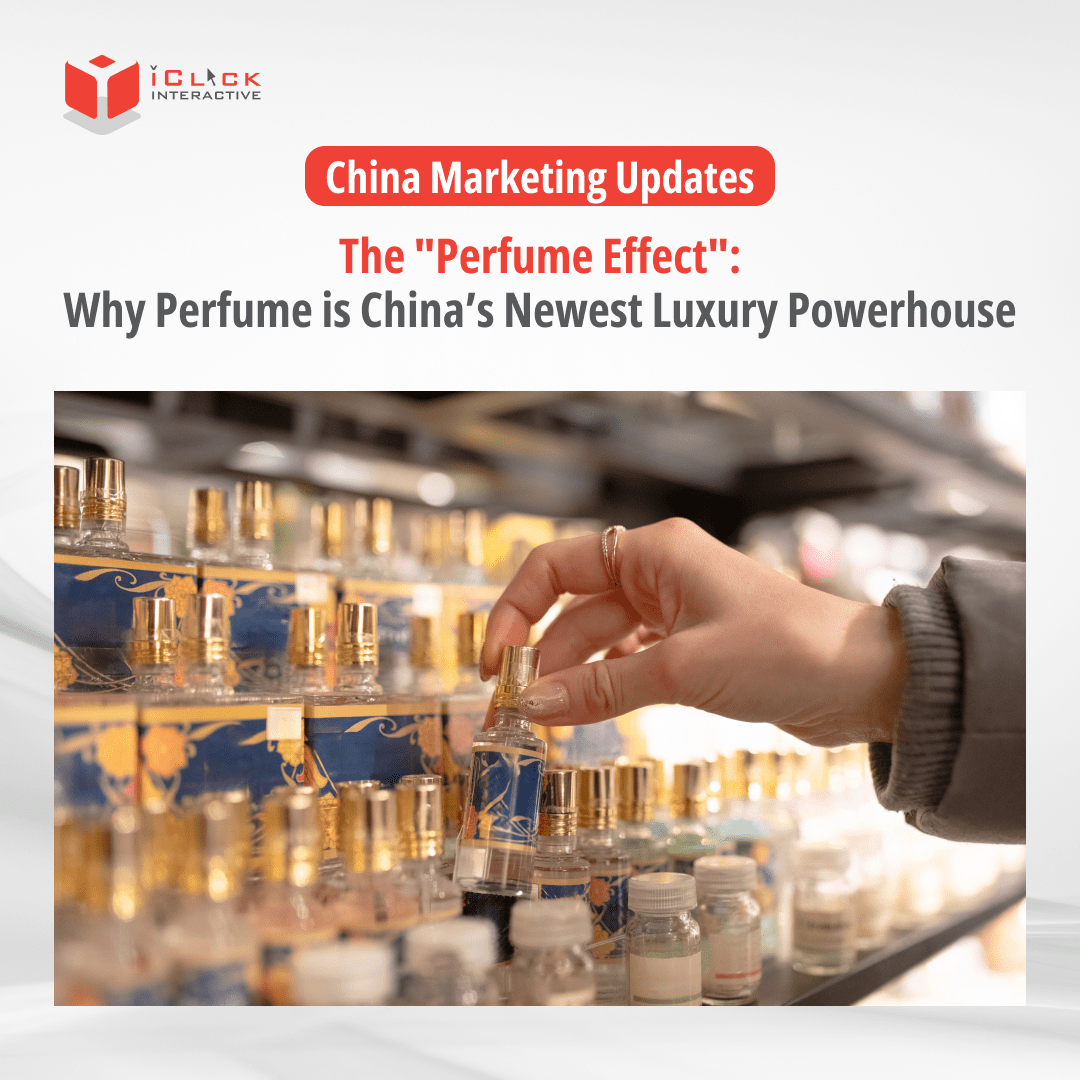
While the "lipstick effect", the theory that consumers turn to small luxuries like cosmetics during economic shifts, has long been a staple of retail psychology, China is currently witnessing a more aromatic evolution. In 2025 and 2026, the trend has shifted toward the "perfume effect." Fragrance has become the primary way for self-expression and emotional "healing" among Chinese Gen Z and Millennial consumers, offering a higher perceived value and sensory escape than traditional color cosmetics.
At iClick, we see this not just as a shift in preference, but as a strategic opening for international brands to engage with a more sophisticated, "scent-conscious" Chinese consumer.
China’s Perfume Industry Insights: The Data Behind the Scent Surge
The perfume industry in China is no longer a peripheral category; it is a core driver of the prestige beauty sector. The market’s resilience is backed by compelling data from the current fiscal cycle:
1. Steady Market Expansion
According to the IMARC Group, the China perfume market reached a valuation of USD 6.8 billion in 20251. Even amid broader economic recalibration, the sector is projected to maintain a robust growth trajectory with a CAGR of 3.92% through 2034, outperforming traditional makeup categories.
2. Premiumization Dominance
A joint report by Tmall Beauty, TMIC, and Baqiu in 2026 demonstrates that high-end and niche fragrances are experiencing double-digit growth. The report notes that 56.3% of young consumers now purchase fragrances based on personal preference and emotional regulation rather than price, reinforces the shift toward "boutique" and artisanal brands2.
3. The Emotional Economy
Research from Daxue indicates that Fragrances are increasingly viewed as "emotional micro-indulgences". Over 40% of consumers choose perfumes based on specific emotions or occasions, showing how emotional value is transforming perfume from a luxury item into an everyday necessity3.
Case Studies: Luxury Perfume Brands Leadership in 2025-2026
Several global powerhouses have already successfully capitalized on this shift in China, reporting remarkable growth through localized fragrance strategies:
-
- Estée Lauder (Le Labo & Tom Ford): In its Q1 2026 fiscal report, Estée Lauder highlighted fragrance as its standout performer, with sales surging 14%4. This was driven by the "momentum" of luxury niche brands like Le Labo, which resonates with Chinese consumers' desire for craftsmanship and "City Exclusive" narratives.
-
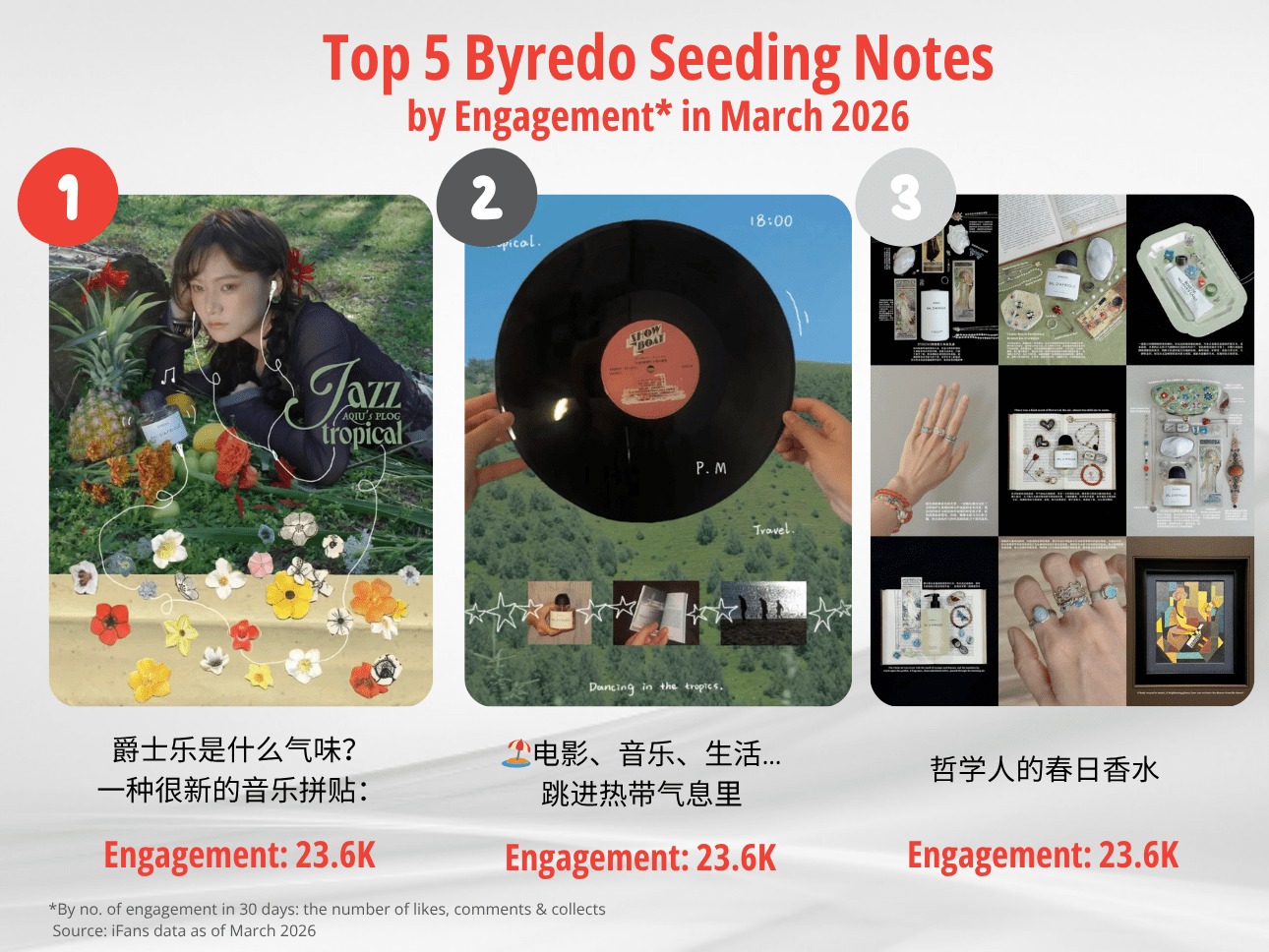
- Puig (Byredo & Penhaligon’s): The Spanish beauty giant reported a 16.6% revenue increase in the APAC in 20255. This growth was significantly propelled by its niche fragrance portfolio, particularly Byredo, which has successfully harnessed the "Gen Z aesthetic" on Xiaohongshu, using seeding (种草) to convert digital interest into high-value footfall.
Capitalizing on Peak Moments
The "perfume effect" is most visible during China's "Gift Economy" milestones. Peak sales moments such as 520 (Chinese Valentine’s Day), Qixi, and the Lunar New Year have evolved. Brands that tie their narrative to these emotional peaks by using data-driven insights to identify trending scent notes like "Oriental Woody" or "White Tea", can see a significant sales boost during these high-traffic periods.
Partner with iClick to Master Your Scent Strategy
Navigating China’s perfume market requires more than just a premium product but a deep understanding of the digital touchpoints where Chinese consumers discover their "signature scent."
At iClick, we leverage our cross-platform data expertise, from Douyin trends to Xiaohongshu influencer mapping, to ensure your brand doesn't just join the trend, but leads the "perfume effect."
Connect with iClick today to unlock the potential of China's perfume industry.
Source:
1: China Perfume Market Size, Share, Trends and Forecast by Perfume Type, Category, Distribution Channel, and Region, 2026-2034
2: Domestic labels propel China’s premium fragrance boom
3: Daxue: Perfume consumer trends in China: Emotion, everyday use, and evolving scent preferences
4: Asia-Pacific Leads as Estée Lauder Posts 4% Net Sales Growth in First Quarter of Fiscal 2026
5: Puig records +7.8% revenue growth in FY2025 outperforming premium beauty market
Related Insights: Explore More on China’s Luxury Market Trends
-
- Unlocking the 2025 Chinese Luxury Travel Boom: Insights for Global Brands
Discover how Chinese high-net-worth travelers are shaping luxury and travel trends in 2025—and what brands must do to capture their attention.
- Unlocking the 2025 Chinese Luxury Travel Boom: Insights for Global Brands
-
- iSuite Insights Spotlight – Issue #18 China’s Evolving Perfume Market Landscape 2024
The burgeoning perfume market in China is experiencing a remarkable growth in the coming years, especially comparing to the mature markets in other countries.
- iSuite Insights Spotlight – Issue #18 China’s Evolving Perfume Market Landscape 2024
-
- iSuite Insight: The Resilience of China’s Luxury Jewelry Market in 2025
China's luxury jewelry market is booming. Discover how Gen Z preferences, online trends, and cultural nuances are shaping its future growth, and how your brand can capitalize.
- iSuite Insight: The Resilience of China’s Luxury Jewelry Market in 2025